Paralysis Causes and Treatment Options | Symptoms & Recovery

🧠 Paralysis: Causes and Treatment Options
A Complete Patient-Friendly Guide (Symptoms, Benefits, Risks & Recovery Hope)
“Doctor, his hand is not moving… her legs suddenly became weak… will this paralysis be permanent?”
These are some of the most frightening questions patients and families ask in OPD and emergency rooms.
The word “paralysis” creates instant fear.
Many people believe:
- Paralysis means life is over
- Paralysis always means permanent disability
- Nothing can be done after paralysis
❌ These beliefs are not always true.
This guide is written in simple, non-medical English so that even a common person can understand:
- What paralysis really is
- Why paralysis happens
- Different causes and types of paralysis
- Available treatment options
- Benefits and risks of treatment
- How recovery is possible with proper care and physiotherapy
🚨 What Is Paralysis?
Paralysis means loss of movement and muscle control in one or more parts of the body.
A paralyzed body part:
- Cannot move normally
- May feel weak or completely powerless
- May or may not have sensation
Paralysis occurs because the brain, spinal cord, or nerves cannot send proper signals to muscles.
👉 Muscles are often healthy, but the message from the brain does not reach them.
🧠 How Does Normal Movement Work in Paralysis?
- The brain decides to move
- The signal travels through the spinal cord
- Then through nerves
- Finally reaches the muscles
- Muscles contract → movement happens
⚠️ Damage at any point in this pathway causes paralysis.
🔬 Types of Paralysis
1️⃣ Based on Body Parts Affected
- Monoplegia: Paralysis of one limb (e.g., one arm)
- Hemiplegia: Paralysis of one side of the body (common after stroke)
- Paraplegia: Paralysis of both legs (usually spinal cord injury)
- Quadriplegia: Paralysis of both arms and legs
2️⃣ Based on Duration
- Temporary paralysis – improves with treatment
- Permanent paralysis – severe or irreversible damage
👉 Many patients fall in between, with partial recovery possible.
3️⃣ Based on Muscle Tone
- Flaccid paralysis: Muscles are soft and weak
- Spastic paralysis: Muscles are tight and stiff
⚠️ Major Causes of Paralysis
🟥 1. Stroke (Most Common Cause)
Stroke occurs when blood supply to the brain is blocked or a vessel bursts.
- Brain cells die due to lack of oxygen
- One side of the body becomes weak or paralyzed
Early treatment improves recovery chances.
🟥 2. Spinal Cord Injury
- Road traffic accidents
- Falls from height
- Sports injuries
- Trauma or violence
The injury level decides severity:
- Neck injury → Quadriplegia
- Lower back injury → Paraplegia
🟥 3. Brain Injury
- Head injury
- Brain bleeding
- Brain tumor
- Brain infections
Speech, memory, and thinking may also be affected.
🟥 4. Nerve Damage (Peripheral Neuropathy)
- Diabetes
- Vitamin deficiency
- Infections
- Prolonged nerve pressure
Causes weakness, numbness, or partial paralysis.
🟥 5. Infections Affecting Nervous System
- Polio
- Guillain-Barré syndrome
- Spinal tuberculosis
- Viral or bacterial infections
🟥 6. Muscle & Neuromuscular Disorders
- Muscular dystrophy
- Myasthenia gravis
Nerves may be normal, but muscles fail to respond.
🚨 Warning Signs – Seek Immediate Help
- Sudden weakness in face, arm, or leg
- Slurred speech
- Loss of balance
- Sudden vision problems
- Severe headache
⚠️ These may indicate stroke or spinal injury.
🏥 Treatment Options for Paralysis
💊 Medical Treatment
- Treat underlying cause
- Prevent further damage
- Control BP, sugar, infections
Medicines alone cannot fully restore movement.
🧠 Surgical Treatment (When Needed)
- Spinal cord compression
- Brain tumors
- Severe brain bleeding
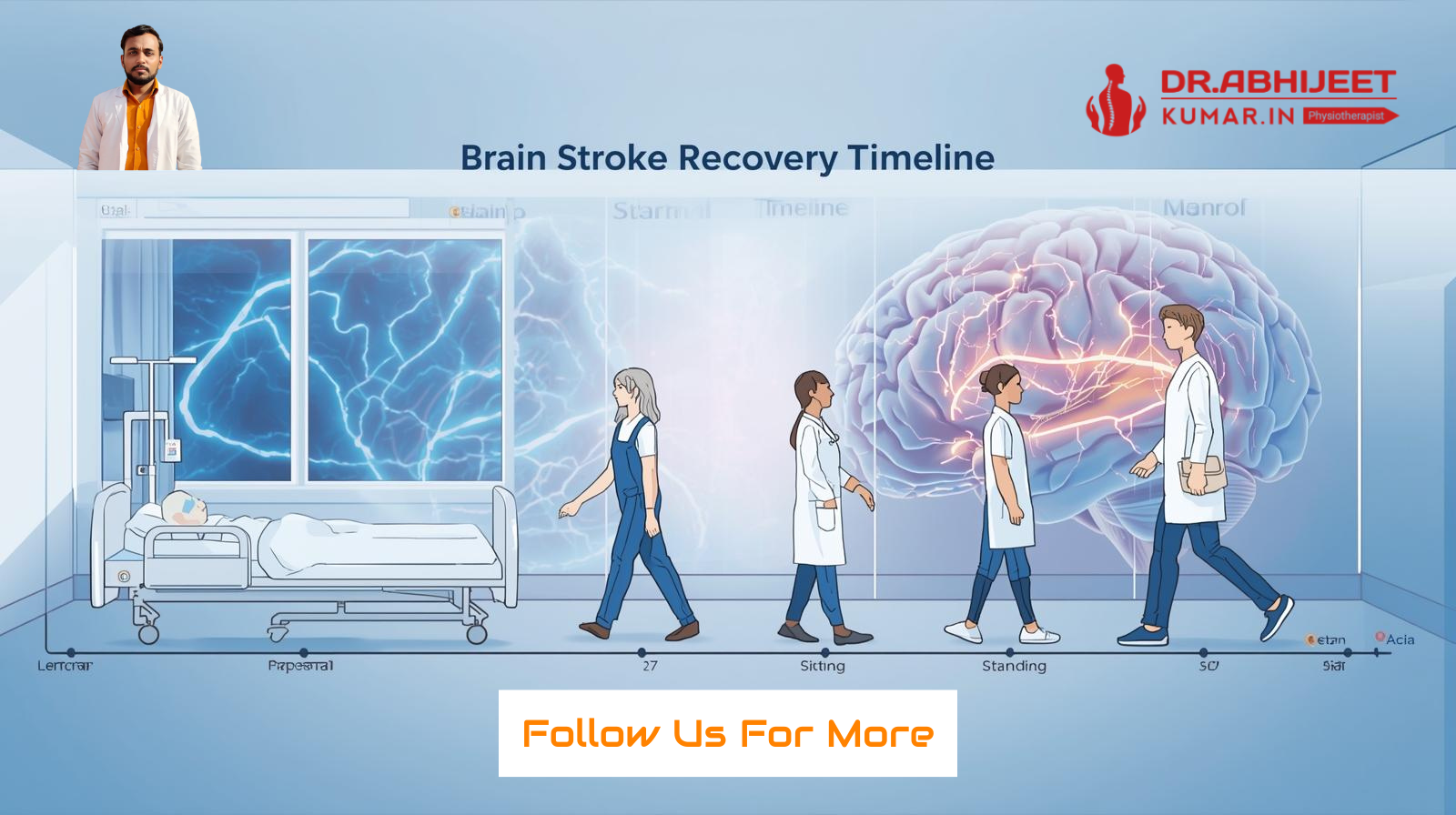
🌱 Physiotherapy – Backbone of Recovery
Physiotherapy is brain–muscle re-training, not just exercise.
- Improves strength
- Reduces stiffness
- Improves walking and balance
- Increases independence
Early physiotherapy = better recovery.
🧑⚕️ Occupational Therapy
Helps with daily activities like eating, dressing, and bathing.
🗣️ Speech & Swallow Therapy
Needed when speech or swallowing is affected.
🧠 Psychological Support
Mental health support improves confidence and recovery.
⚖️ Benefits and Risks of Treatment of Paalysis
✅ Benefits
- Better movement
- Improved independence
- Better quality of life
❌ Limitations
- Recovery may be slow
- Full recovery not always possible
- Requires patience and consistency
👉 Partial recovery is still meaningful recovery.
❌ Common Myths
- Paralysis is permanent ❌
- Nothing works after 6 months ❌
- Medicines alone are enough ❌
- Physiotherapy is optional ❌
👨👩👧 Role of Family in Paralysis
- Encourage daily therapy
- Avoid negative statements
- Celebrate small improvements
- Maintain regular follow-up
📌 Final Takeaway
Paralysis is not the end of life.
It is the beginning of a new recovery journey.
With correct diagnosis, timely treatment, regular physiotherapy, and family support,
many patients regain movement, independence, and dignity.